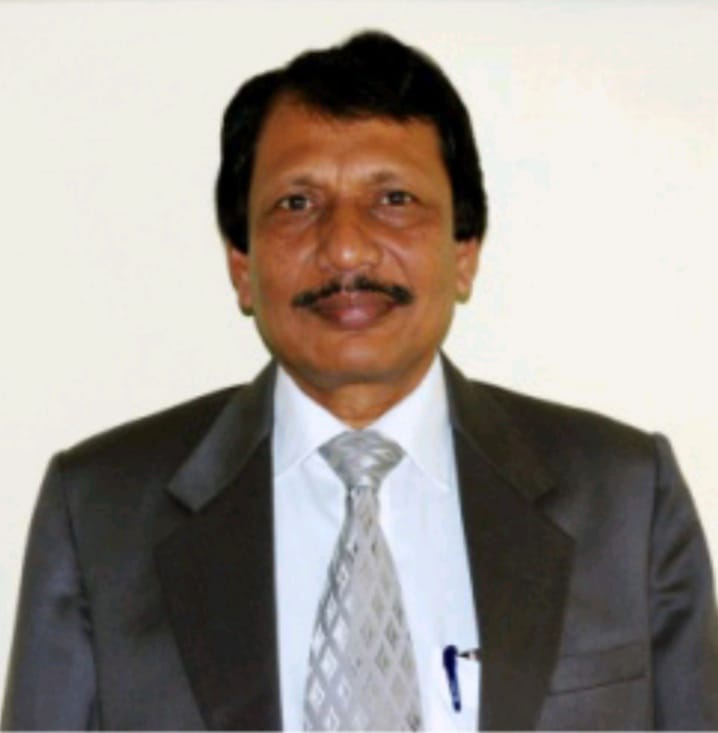
Dr. Jatindra Nath Kalita
"Life of a Dilettante"
Rtd. Principal Scientist, Tocklai Tea Research InstituteHonoring a lifelong dedication to sustainable agricultural chemistry, technological breakthroughs, and cutting-edge process innovations.
Honoring a lifelong dedication to sustainable agricultural chemistry, technological breakthroughs, and cutting-edge process innovations.
Dr. Jatindra Nath Kalita is an internationally recognized agricultural chemist, tea scientist, inventor, and innovator from Assam, India, with over four decades of experience in tea research and agricultural technology. He earned his M.Sc. in Chemistry with First Class and completed his Ph.D. from Dibrugarh University, conducting pioneering research at the world-renowned Tocklai Tea Research Institute.
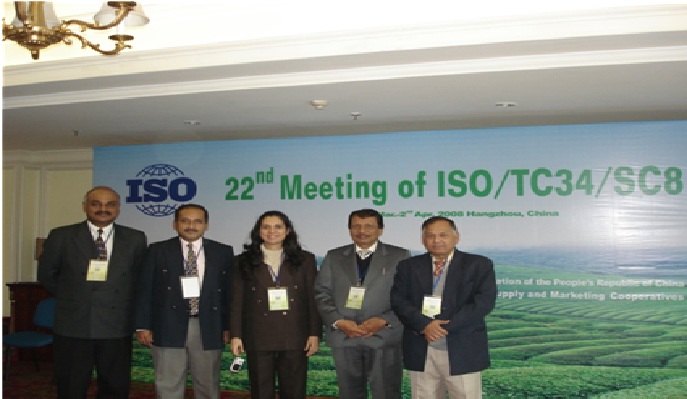
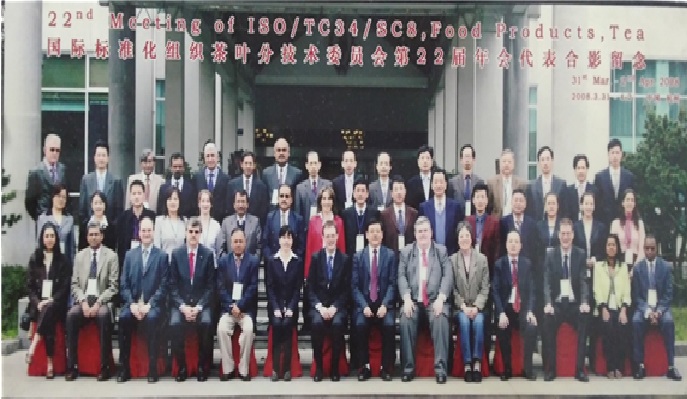
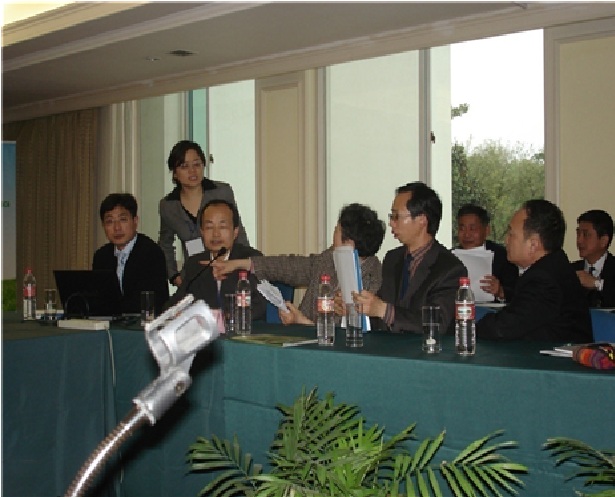
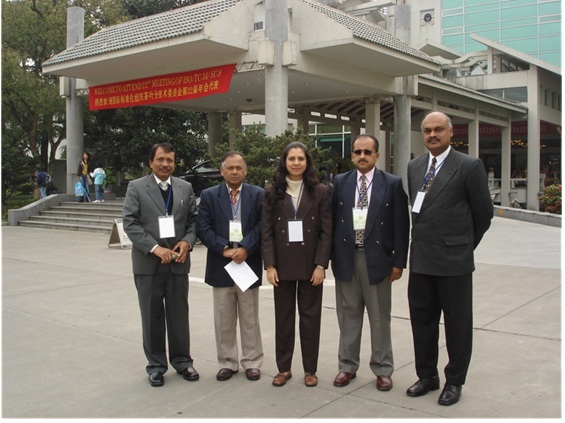
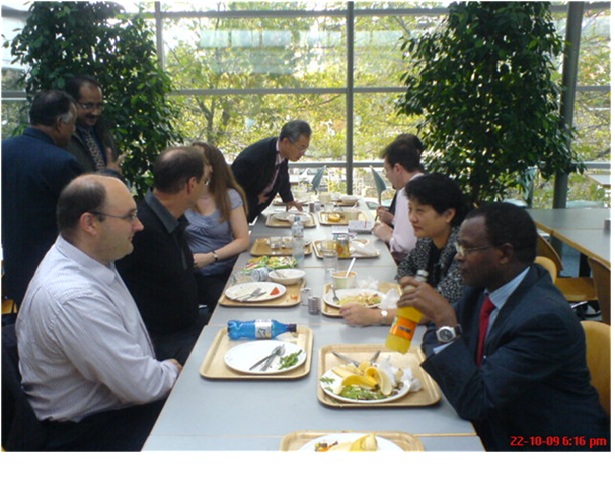
Throughout his career, Dr. Kalita has represented India at international ISO (International Organization for Standardization) meetings in Germany, China, and the United Kingdom, contributing to the development of global tea quality and food standards. His scientific work has been published in numerous national and international journals, reflecting his commitment to advancing tea science and sustainable agriculture.
Dr. Kalita is the inventor of two patented technologies that have significantly improved quality control in the tea industry:
These inventions received international recognition through the prestigious NASA Tech Briefs "Create the Future" Awards (2014), where both technologies were recognized for their innovation and practical impact. His patented solutions have helped improve tea safety, quality assurance, and manufacturing efficiency, making them valuable contributions to the global tea industry.
Beyond research, Dr. Kalita has also developed the PLANTAMIN series of plant nutrient formulations and has actively promoted rural development, scientific awareness, and sustainable agricultural practices. His lifelong dedication to science, innovation, and society continues to inspire researchers, tea professionals, and young innovators across India and beyond.
A dedicated Freedom Fighter and social worker who retired as a Primary School Inspector (designated as Attendance Officer). He devoted his life to primary education propagation and organizing local communities through motivational speeches and development works.
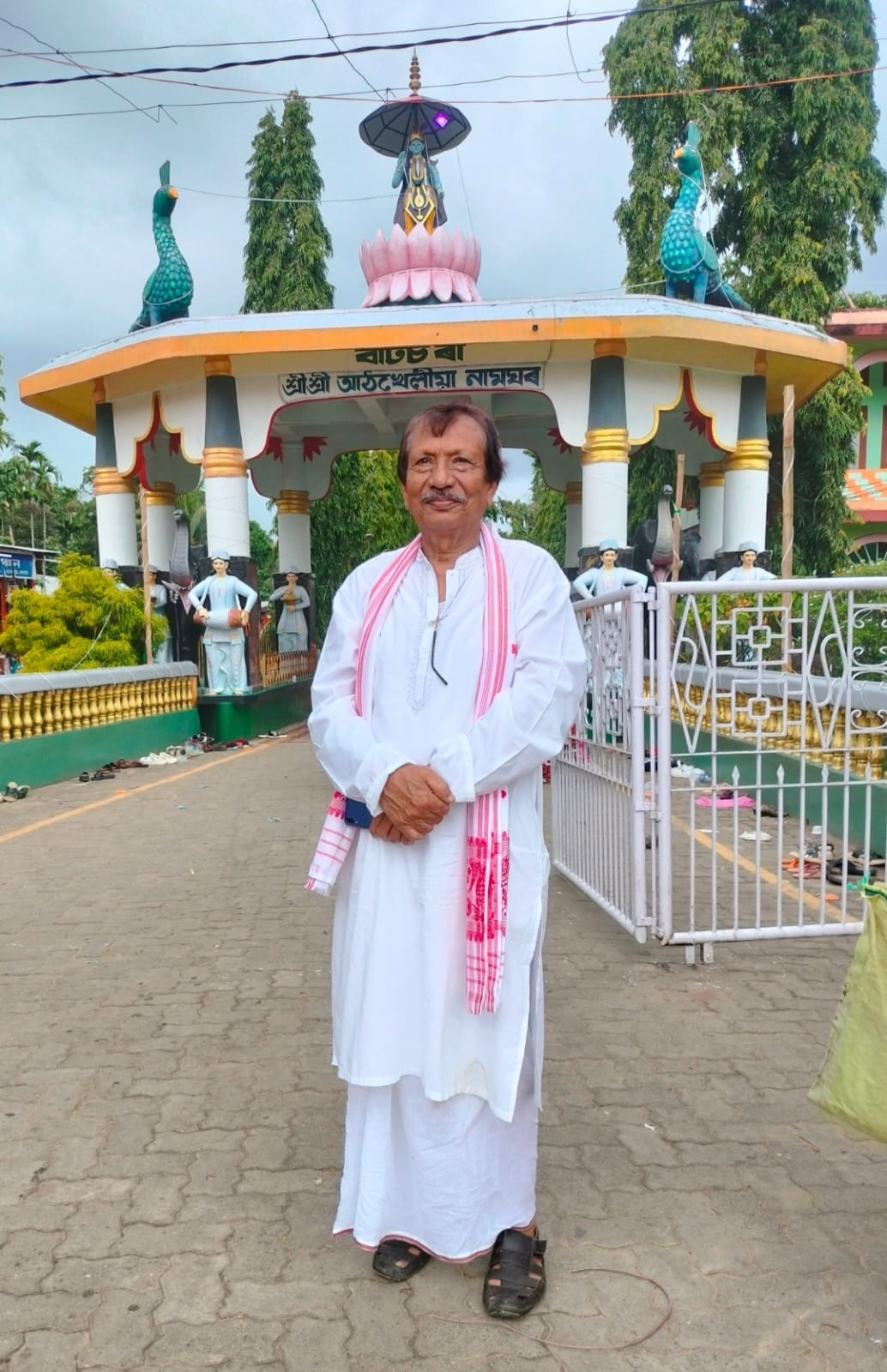
Collaborated with local landlord Late Benudhar Borah to establish a Naamghar, a community hall, and a drinking water pond. He was a strong believer and spreader of the Srimanta Sankardev and Madhabdev Nava Vaishnava Cult.
Daughter of Late Lakhmi Prasad Saikia (popularly known as LakhiMandal), from the prestigious Saikia Family of Titabar.
A devoted primary school teacher who tragically passed away while in service when he was only four years old. Her legacy of education and care left an indelible mark on his lifelong pursuit of knowledge.
Dibrugarh University
Under the guidance of Dr. Pradip Kumar Mahanta (Biochemist & HOD, Biochemistry Department, Tocklai Experimental Station)
Thesis: "Some Aspects of Chemistry in the Production of Tea in Relation to Mineral Nutrition of Boron and Manganese Under Field and Green House Conditions"
Dibrugarh University
Result: Passed with 1st Class
Jagannath Barooah College, Jorhat
Result: Honours in Chemistry
Cinnamara Govt. Aided High English School, Cinnamara, Jorhat
Result: Completed HSLC with First Division and Letter mark in Mathematics.
Charingia Brahman Gaon L. P. School, Bhakatcheuni Gaon, karanga, Jorhat
Institutional collaborations related to the groundbreaking PhD Thesis.
The Oldest and the Largest Tea Research Institute in the world was the parent Institute of experimentations including the Experimental Tea Garden, Borbheta Tea Garden, and a part of Cinnaamara Tea Estate. Samples were also collected from Cachar, North Bank, South Bank, Silliguri, and Darjeeling.
Bhabha Atomic Research Centre, Trombay, Mumbai. Here, the Experiments related to Radio Isotopes of Zinc (Zn 65) and Manganese (Mn 54) were conducted.
Indian Agricultural Research Institute, Pusha, New Delhi. Pot culture short term experiments were conducted with Zn65 isotope after completion of the "Use of Isotopes and Radiations in Agriculture" training course by the Nuclear Research Laboratory during 1987.
National Diary Research Institute, Karnal. Conducted study related to metabolic pathway of Zn 65 in animal body following publications of the works.
Calcutta. Attended a training cum workshop in the Regional Sophisticated Instrumentation Centre & Environmental Sciences Section on "Current Trends of Pesticide Residue Analysis" during 1995.
Bangalore. Attended a course at the Pesticide Residue Department on the running of sophisticated Instruments like GC Mass, GLC, HPLC, Segmented flow Auto Analyzer etc.
Selected research papers and presentations published in national and international peer-reviewed journals.
Kalita J. N. and Dey S. K. (1983)
Two & A Bud. (1983) 30 (1 & 2) : 71-75.
Kalita J. N. (1987)
Two & A Bud. (1987) 34 (1): 54-56.
Kalita J. N. (1992)
Two & A Bud. 39(2) : 24-32.
Mahanta P. K., Boruah S. K., Boruah H. K. and Kalita J. N. (1993)
J. Agric. Food Chem. 41 : 272-276.
Kalita J. N. and Mahanta P. K. (1993)
J. Sci. Food. Agric.(1993) 62 : 105-109.
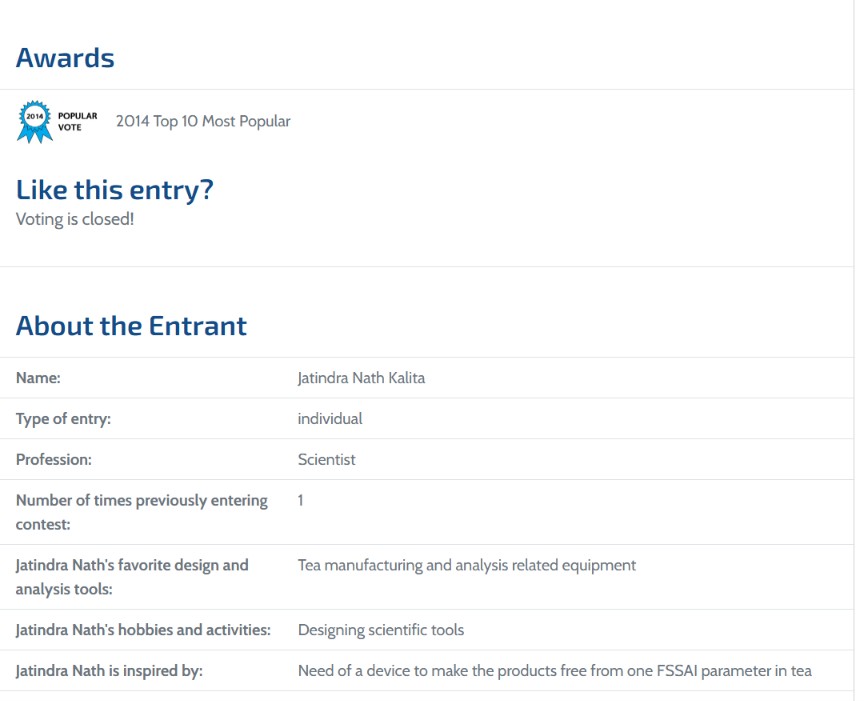
Awarded the prestigious Top 10 Most Popular Vote globally for pioneering sustainable technology in machinery, automation, and robotics.
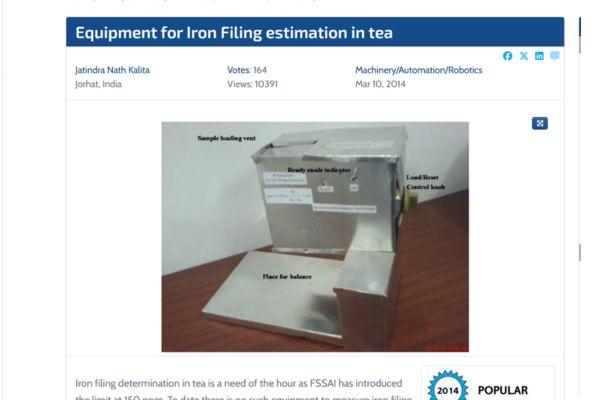
A revolutionary automated machine designed to extract iron filings from made tea continuously during the manufacturing process. This equipment ensures supreme quality control and consumer safety without halting the production line.
A precision instrument engineered to accurately estimate iron filing content in made tea, enabling reliable quality-control testing without complex laboratory setups.
A series of well-tested, concentrated mineral nutrient solutions covering both macro and micro nutrients, formulated for effective foliar nutrition and widely adopted by growers.
Suggested dilution ratios must be followed carefully to achieve the desired effect and avoid leaf scorching.
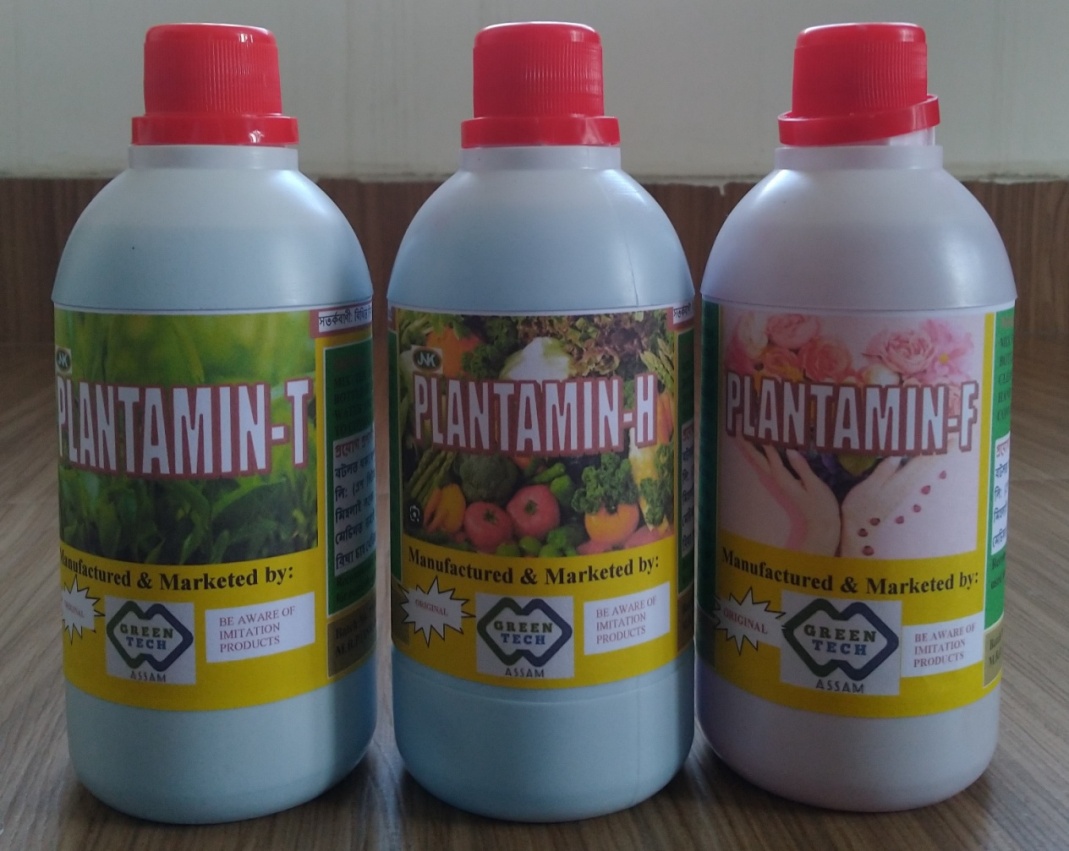
Beyond nutritional formulations, several mechanical instruments were designed and marketed, including a Sheer Plucking Aid for Tea and an Electrically Operated Weeding Machine.
Inspired by his father's legacy, a lifelong commitment to rural development.
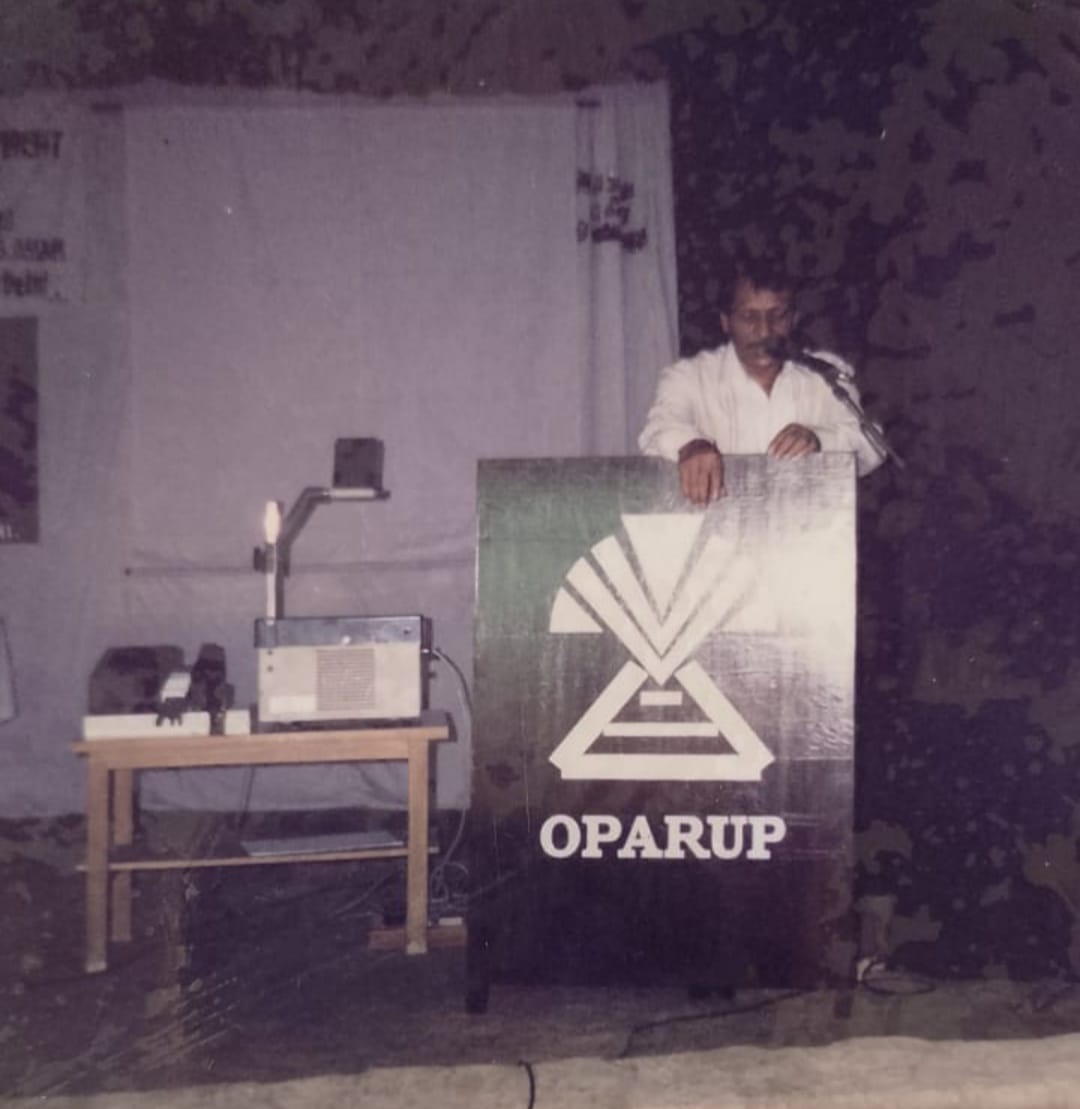
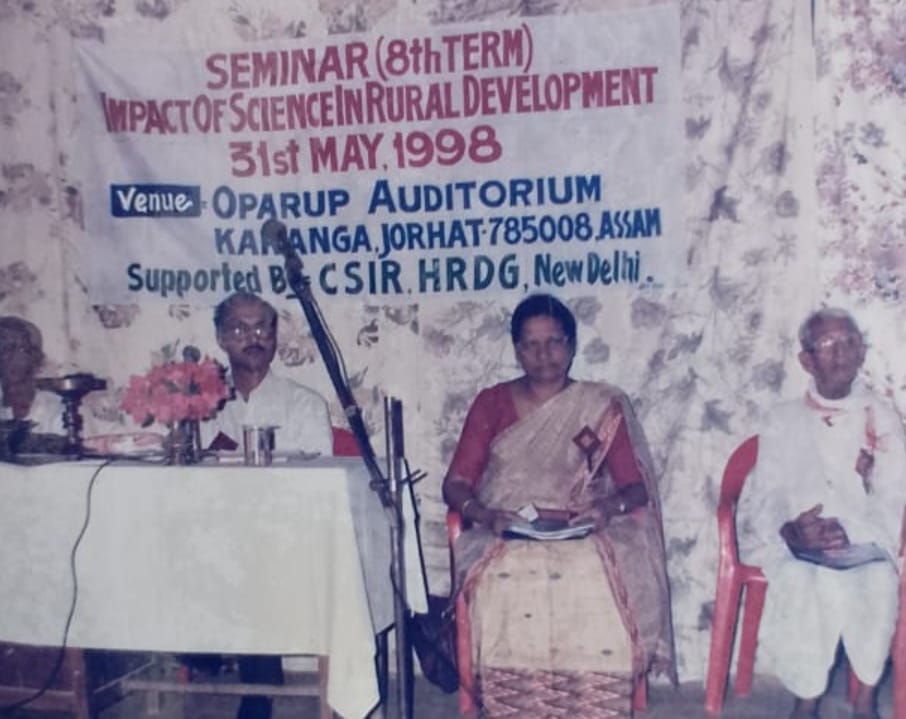
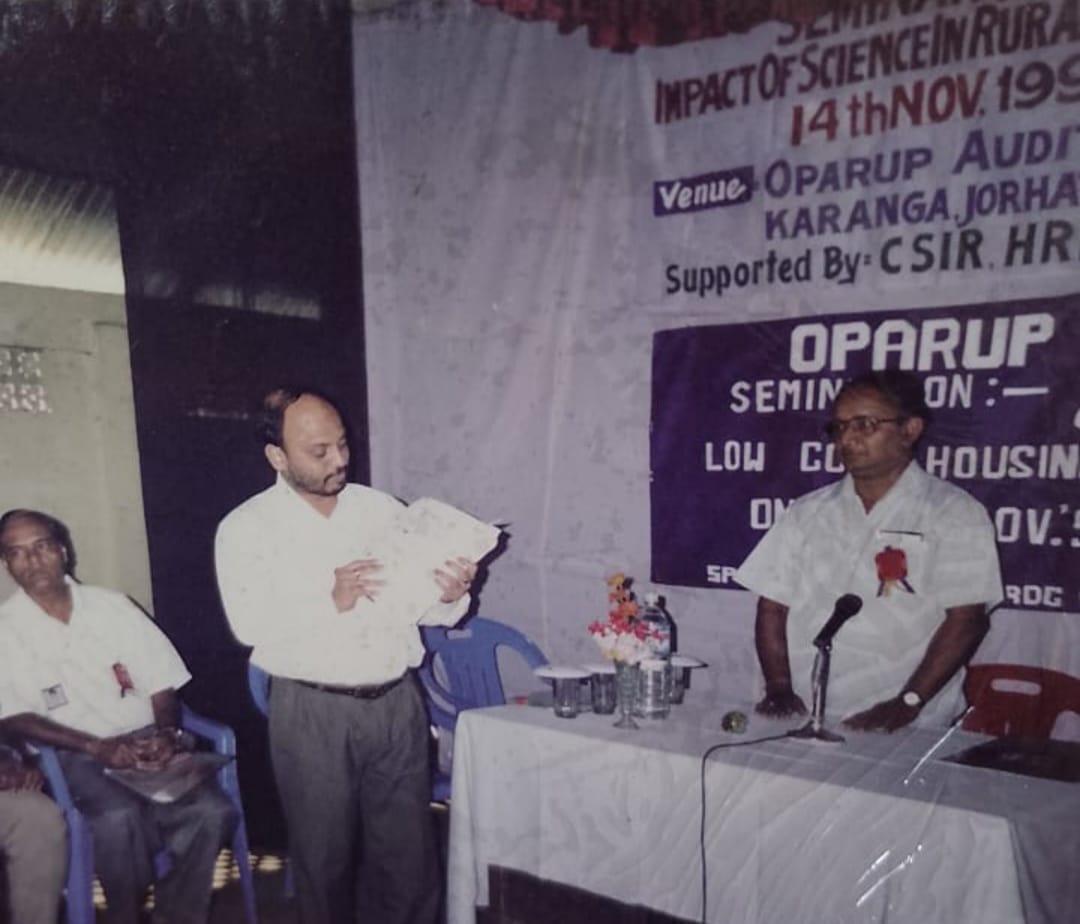
Inspired by his father, Dr. Kalita associated himself with social works for the development of rural society and the economic upliftment of the local community. On his personal initiative, he founded OPARUP (Organization for Poverty Alleviation of Rural Underdeveloped People).
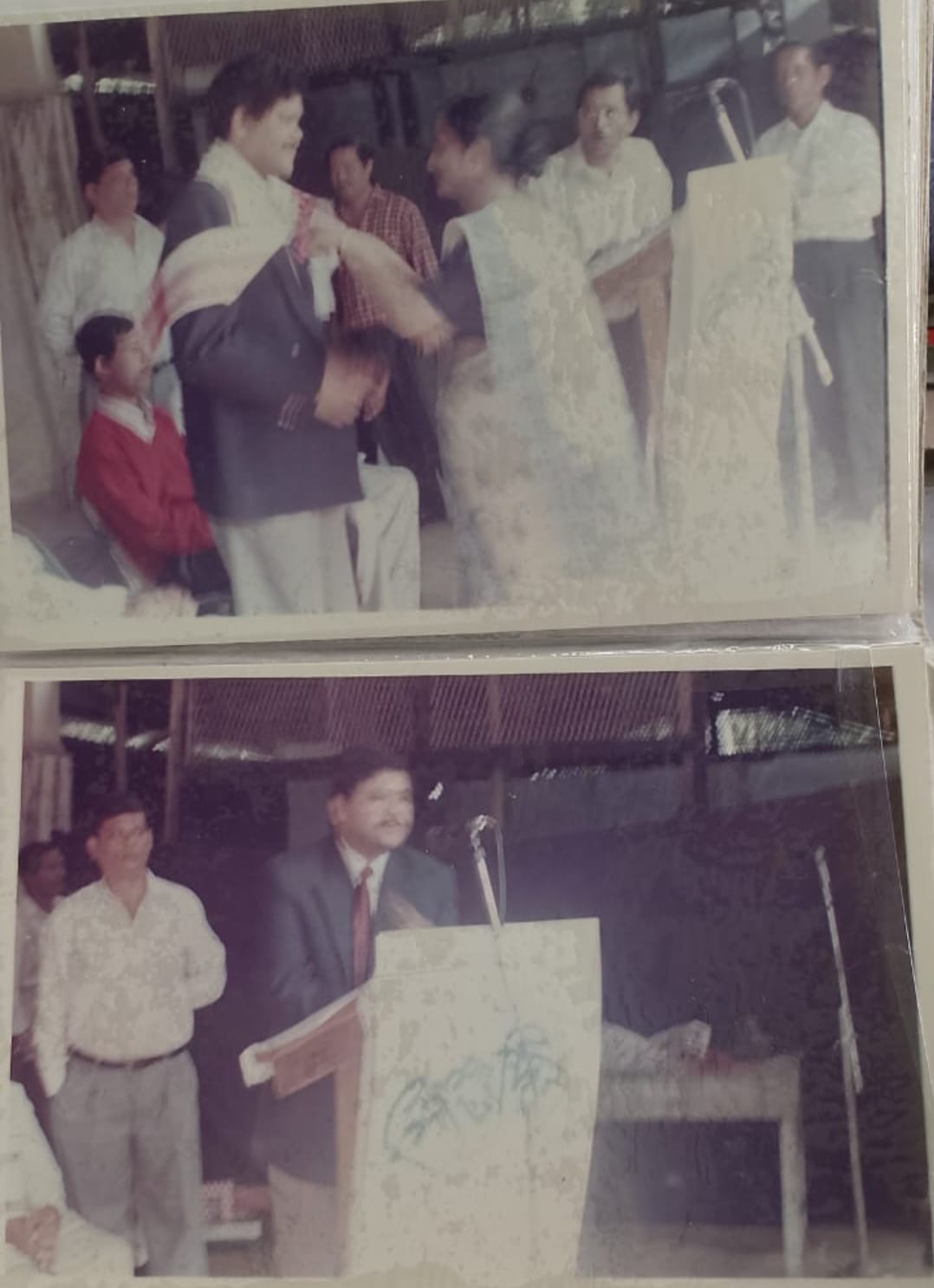
With active participation from government organizations and renowned personalities, OPARUP undertook several social initiatives — including installing sanitary latrines for needy households with support from CAPART (Council for the Advancement of People's Activity and Rural Technology), and organizing motivational speeches across the area.
Mushroom cultivation was promoted through a Central Culture Centre on the OPARUP campus, producing trainees who went on to export mushrooms internationally. A periodical named OPARUP was also published — the first of its kind from a rural setting to receive an ISSN (International Standard Serial Number).
Member of the committee of Pesticide Residue Monitoring under Bureau of Indian Standards Organisation (BIS) a partner of International Organisation for Standardisation (ISO).
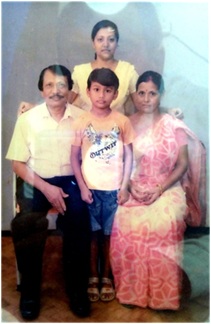
Married to Ms. Geeta Baruah Kalita, a dedicated social worker leading community development initiatives and rural women's empowerment under the banner of OPARUP.
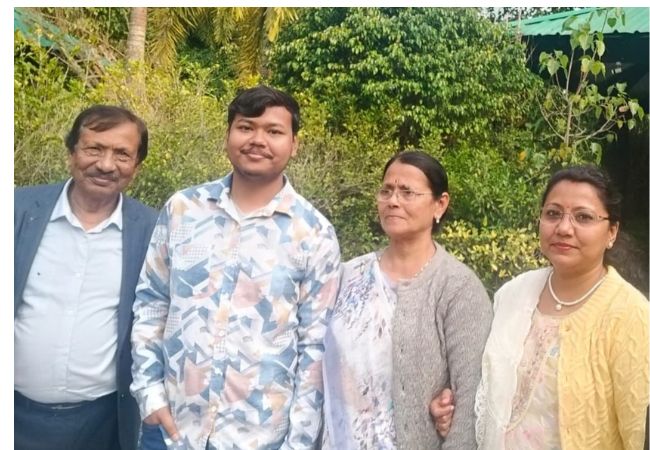
They are happily blessed with their daughter, Dolly Kalita, and son, Chinmoy Ranjan Kalita, sharing a unified commitment to education, local welfare, and professional excellence.
Explore decades of Dr. Kalita's scientific research, thesis data, and patents interactively. Ask questions and discover deep insights using our custom Google AI trained specifically on his life's work.
Launch Interactive AI ArchiveArchival moments from a life dedicated to science and society.